

- ✓
A difficulty in student housing can often be resolved quickly with evidence and written communication.
- ✓
Routine repairs generally remain the tenant’s responsibility; works related to wear and tear fall to the landlord.
- ✓
Several free services support students: Crous, ADIL, legal conciliators, and Signal Logement.
- ✓
Keeping a complete record of the problem with photos and written exchanges facilitates recourse and speeds up resolution.
- ✓
Student residences often offer more structured support than the private rental market.
A water leak in an apartment, a broken heater during winter, repeated noise pollution, or a withheld security deposit after moving out: these difficulties are common during higher education. Between classes, internships, exams, and sometimes a student job, it is not always easy to know how to react quickly.
However, several solutions exist to settle a rental dispute or get appropriate help. Some steps can be done directly online, while public organizations offer free support throughout France. Here is how to see things clearly and react properly to a problem related to student housing.
The concept of time, an important element for the tenant
For many, studying goes hand in hand with a first rental experience. You might not yet have the right bearings: who to contact, what is the tenant’s or landlord’s responsibility, what deadlines to respect. And between classes and internships, there’s often a lack of time to deal with it. The study period is often a first rental experience, where you discover:
Lack of time also plays a significant role. Between commuting, exams, or internships, some incidents are reported late. A minor damage can then become increasingly severe, and a problem reported at the beginning of summer might drag on until the back-to-school season if nothing is documented.
The most frequent incidents in student housing
Most issues encountered in student housing are similar from one rental to another. Knowing them in advance allows you to react faster, without panicking.
Water damage and leaks
A leak under the sink, a defective hot water tank, or water infiltration after heavy rain are among the most common incidents. In this context, four actions must be carried out quickly:
Take dated photos of the damage and its consequences
Limit the damage by turning off the water supply if necessary
Contact the landlord or management service without delay
Notify the insurer within 5 working days
A late claim can complicate compensation. The easiest way: notify your insurance in writing (email or online customer portal), attaching the photos, as soon as the damage is discovered.
Faulty equipment in a student apartment
During the academic year, certain breakdowns can occur and disrupt an already busy student’s daily life:
- Broken heating
- Defective hotplate
- Broken refrigerator
- Jammed lock
- Power outages
The origin of the breakdown remains important in determining financial responsibility. A breakdown related to normal use (burnt-out bulb, worn seal, clogged drain) is the tenant’s maintenance responsibility. A breakdown related to the wear and tear of equipment (15-year-old boiler, end-of-life water tank) falls to the landlord.
Difficulties related to substandard housing
An accommodation must meet minimum conditions of decency and safety (Article 6 of the law of July 6, 1989, decree of January 30, 2002). Several elements can make a dwelling problematic:
- Excessive humidity, poor ventilation, or recurring leaks
- Persistent traces of mold on walls or ceilings
- Persistent presence of pests, especially when the problem is structural or collective
- Dangerous or non-compliant installation
- Lack of heating or faulty ventilation
These issues can have a direct impact on daily life and studies. An official report via Signal Logement is then the right path to take.
Neighborhood conflicts in a student residence
Shared apartments and student buildings sometimes foster certain nuisances:
- Late-night noise and frequent parties
- Damage to common areas
- Aggressive behavior or lingering odors
In most cases, a direct discussion can resolve the conflict before any formal action. If dialogue is not enough, a written report to the manager or syndicate is the second step. A justice conciliator can then offer free mediation before any legal action.
How to react effectively in case of a rental dispute
Whatever the situation, the same method works in three steps: document, alert in writing, escalate if nothing moves.
Keep evidence from the start
Faced with a dispute with the landlord, the first step is to gather precise details of the situation. This organization facilitates all subsequent steps and remains useful at each stage of the procedure:
- Dated photos of the issue from multiple angles
- Short videos for active leaks or noises
- Emails and SMS exchanges kept and timestamped
- Copies of move-in and move-out condition reports (inventory of fixtures)
- Up-to-date invoices, quotes, and rent receipts
Prioritize written communication
A phone call generally leaves no usable trace. An email or a letter allows you to date the exchanges, clearly identify the request, keep a precise history, and monitor the deadlines imposed on the landlord.
The letter describes the problems precisely: room concerned, date of appearance, direct consequences, available evidence. It formulates a clear request: expected intervention, desired timeline, response deadline. In some cases, a registered letter with acknowledgment of receipt (LRAR) remains necessary to give legal force to the request.
Send a formal notice
When no feedback is obtained despite several reminders, a formal notice (mise en demeure) can be sent to the landlord or manager. This letter marks the transition from the amicable phase to the litigation phase.
The registered letter states the facts, dates, disorders noted, requests made, and the expected deadline to intervene (usually 8 to 15 days). It also recalls the landlord’s obligations under articles 1719 and following of the Civil Code and article 6 of the law of July 6, 1989. This step is often enough to grab the landlord’s attention and unblock the situation.
Contact a public service as a last resort
If nothing moves, several free options exist. For some disputes, especially claims under €5,000, an attempt at amicable resolution may be required before legal action. Depending on the subject, this can involve a justice conciliator or the departmental conciliation commission. For decency or unsanitary conditions, the Signal Logement website centralizes reports and forwards them to the competent structures.
Who pays for repairs in student housing?
The distribution depends mainly on the nature of the interventions. The decree of August 26, 1987, publishes the list of routine rental repairs. Normal wear and tear can rule out the tenant’s responsibility: equipment worn out by time should not be charged to them when the degradation does not result from a lack of maintenance or misuse.
| Repair or maintenance | Responsibility |
|---|---|
| Replacing a light bulb, worn faucet washer | Tenant |
| Standard unclogging of a sink or drain | Tenant |
| Small paint touch-ups, filling holes | Tenant |
| Maintenance of ventilation grilles | Tenant |
| Dilapidated boiler, water tank at the end of its life | Landlord |
| Dangerous electrical installation, upgrading to standards | Landlord |
| Window defective over time, insulation | Landlord |
| Window broken by negligence | Tenant |
| Window broken due to frame wear and tear | Landlord |
This distribution remains indicative: the origin of the disorder, wear and tear, a construction defect, or a lack of maintenance can alter who is responsible.
The role of housing insurance for students
Taking out home insurance is mandatory for student housing. It covers the most frequent claims and engages the tenant’s liability in case of damage caused to a neighbor.
Guarantees to check in the insurance contract
Recent contracts sometimes include additional guarantees useful for students:
- 24/7 emergency assistance
- Temporary relocation after a major claim
- Coverage of digital equipment (laptop, phone)
- Psychological support after a burglary
A late claim does not automatically forfeit your right to compensation. The insurer must prove that this delay caused them prejudice to refuse to pay.
Useful aids and services for students
Several free services offer support to young occupants facing difficulties. Contacting them before taking action avoids many procedural errors and speeds up the resolution of the case.
Free social service available to all students, scholarship holders or not. An early payment of emergency aid can sometimes be granted if the situation justifies it, without waiting for the committee’s review.
Free legal advice on abusive rents and fees, occupants’ rights, and possible rental recourse. Present in every department.
Find your ADIL on anil.org
National single window to report degraded or dangerous housing. The file is directed to the town hall, the ARS (regional health agency), the prefecture, or hygiene services.
Private market, student residence, or Crous: what are the differences in case of a claim?
One factor weighs more than all legal remedies: the nature of the landlord. Renting from a private individual, in a managed student residence, or being housed by the Crous does not result in the same daily life when a problem arises.
The private market: a direct relationship with the landlord
In an apartment rented to an individual, management depends on the landlord’s responsiveness, their potential agency, locally available contractors, and the time of year. Some procedures can take time, especially during summer when many tradespeople are on vacation.
All routine tasks fall to the tenant: finding a locksmith in case of a problem, contacting the insurer, requesting a quote, tracking interventions. A water leak on a Sunday often waits until Monday morning.
University housing: a regulated framework
Crous housing meets specific rules. This type of housing offers a regulated allocation framework, with guarantees sometimes different from the classic private market. However, spots remain limited in some university cities.
Dedicated support, from declaration to resolution
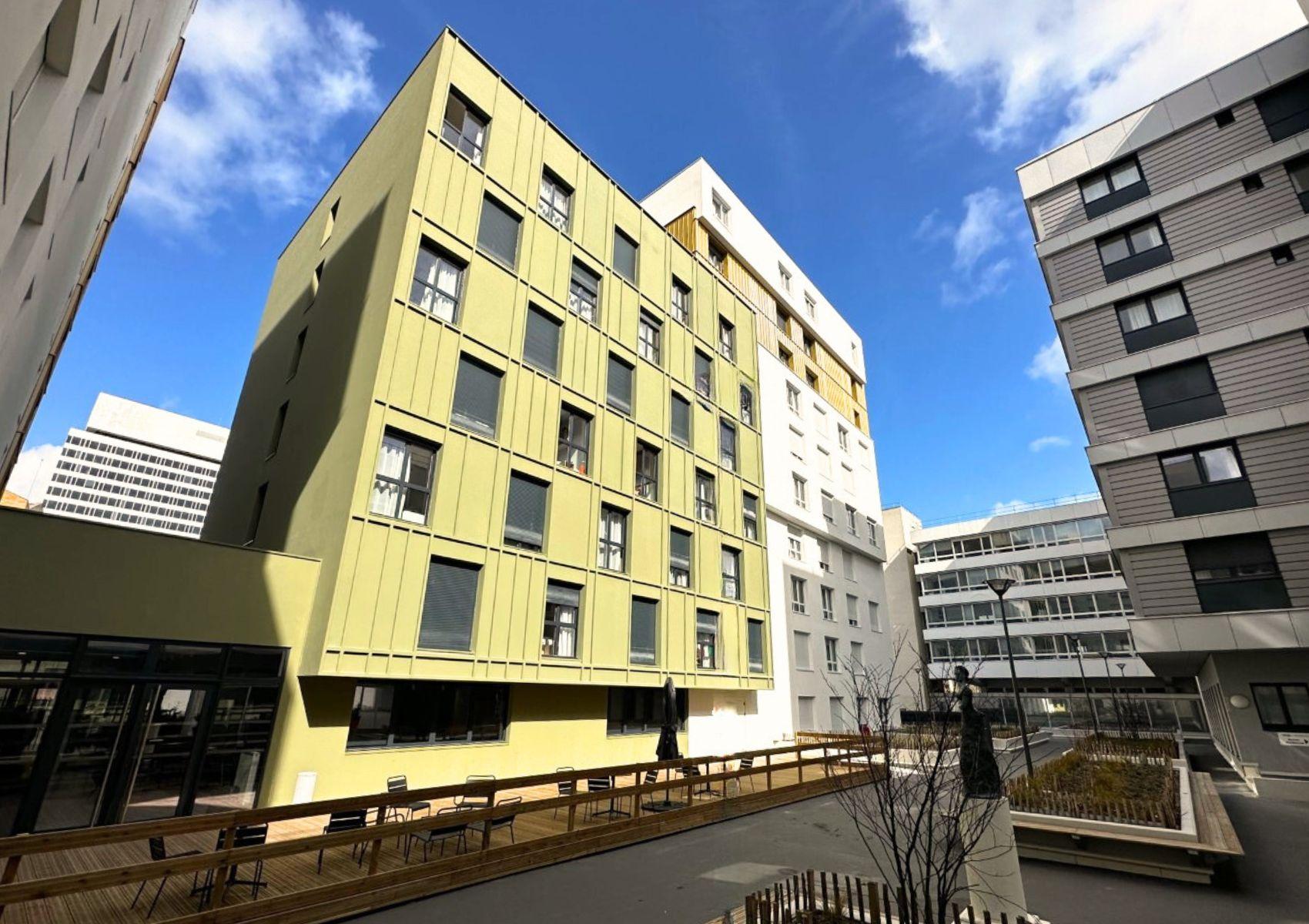
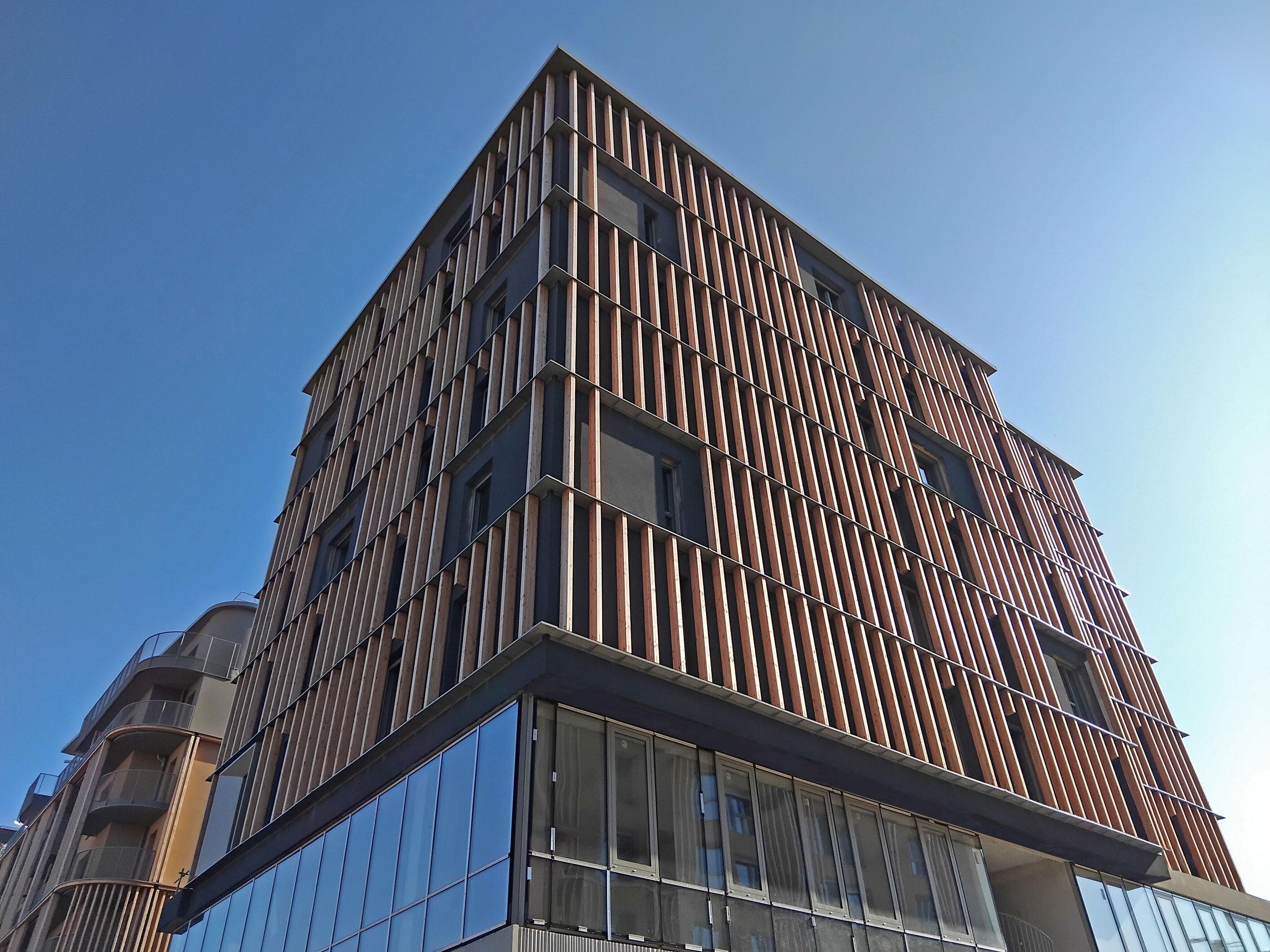
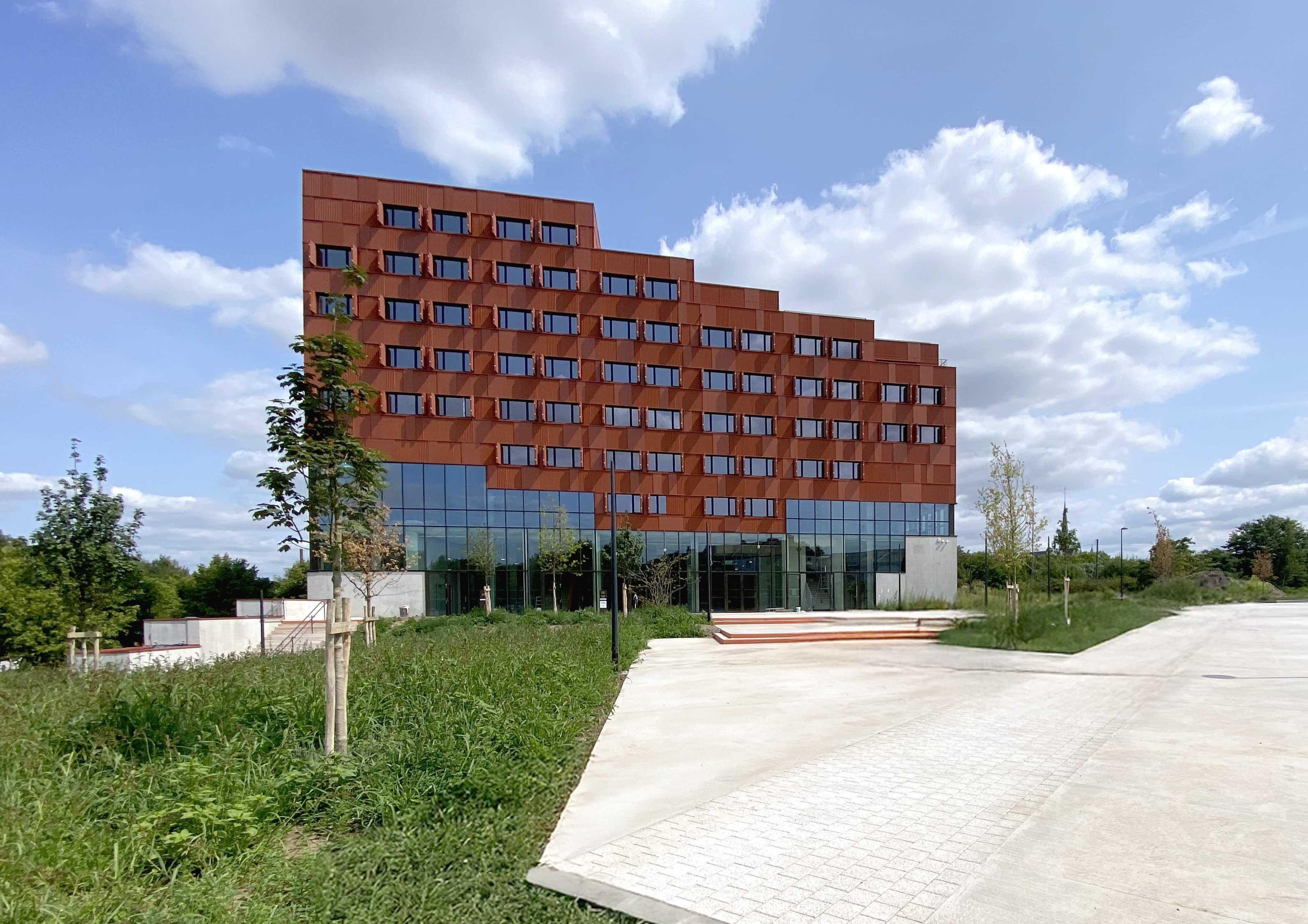
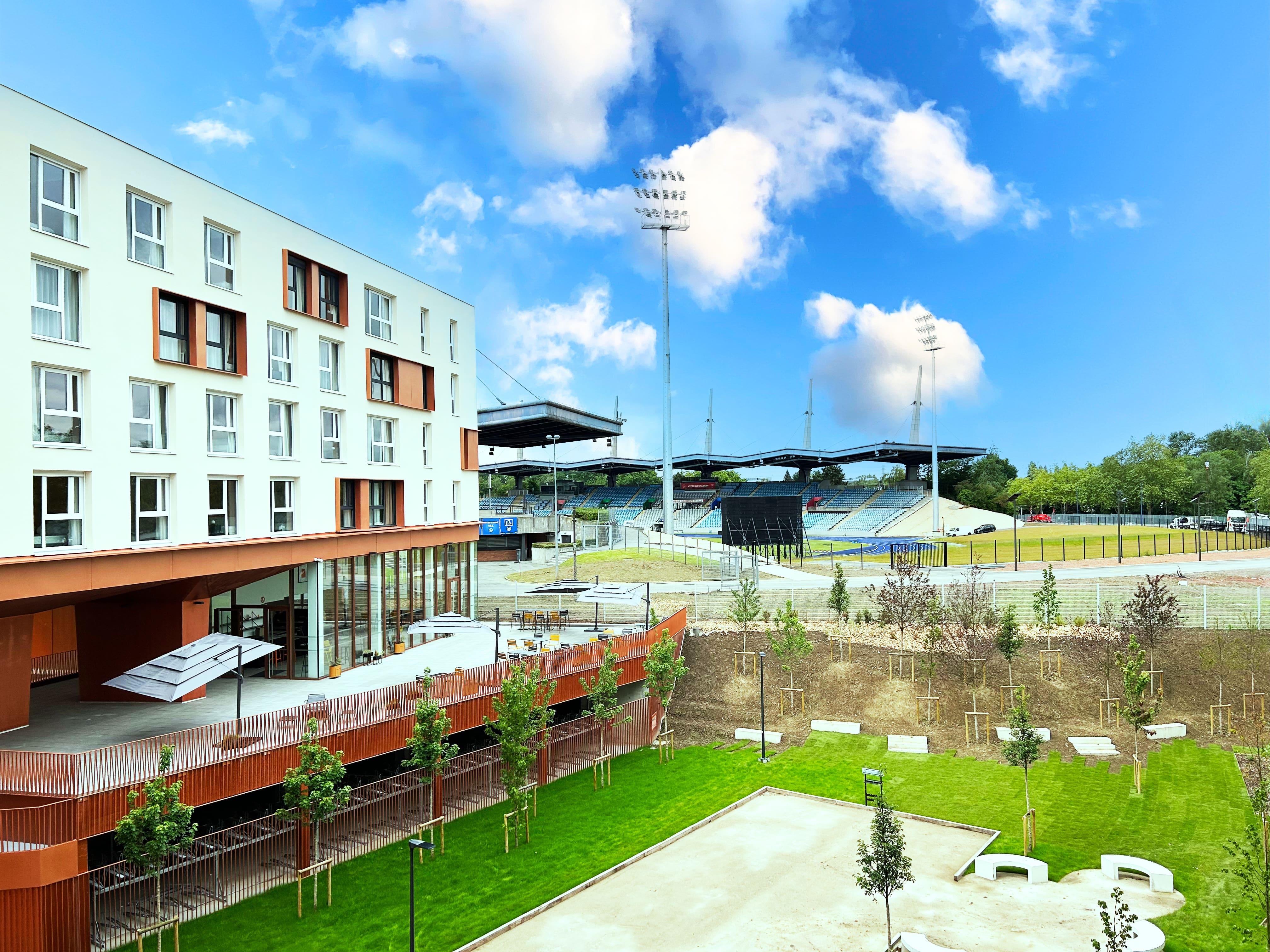
Present in over thirty university cities in France, Twenty Campus has a dedicated team at each site to handle technical and administrative requests. Claims are handled by a single point of contact, from declaration to resolution, which preserves students’ living conditions when their schedules are already full.
Frequently asked questions about problems in student housing
Looking for a more peaceful student housing experience?
With Twenty Campus, a single point of contact manages your technical and administrative requests on-site. Furnished and equipped housing, utilities and internet included, BailProtect without a physical guarantor: everything is designed so you can focus on what matters most.