

Student housing scams are common, especially during the back-to-school season. Before signing a lease or transferring any money, always verify these key points to avoid unpleasant surprises.
- ✓Never transfer money before signing a legally compliant lease agreement.
- ✓Be wary of overly attractive listings (unusually low rent, generic photos, vague descriptions).
- ✓Do not share sensitive documents (bank statements, card numbers, IDs) upfront without verifying the landlord first.
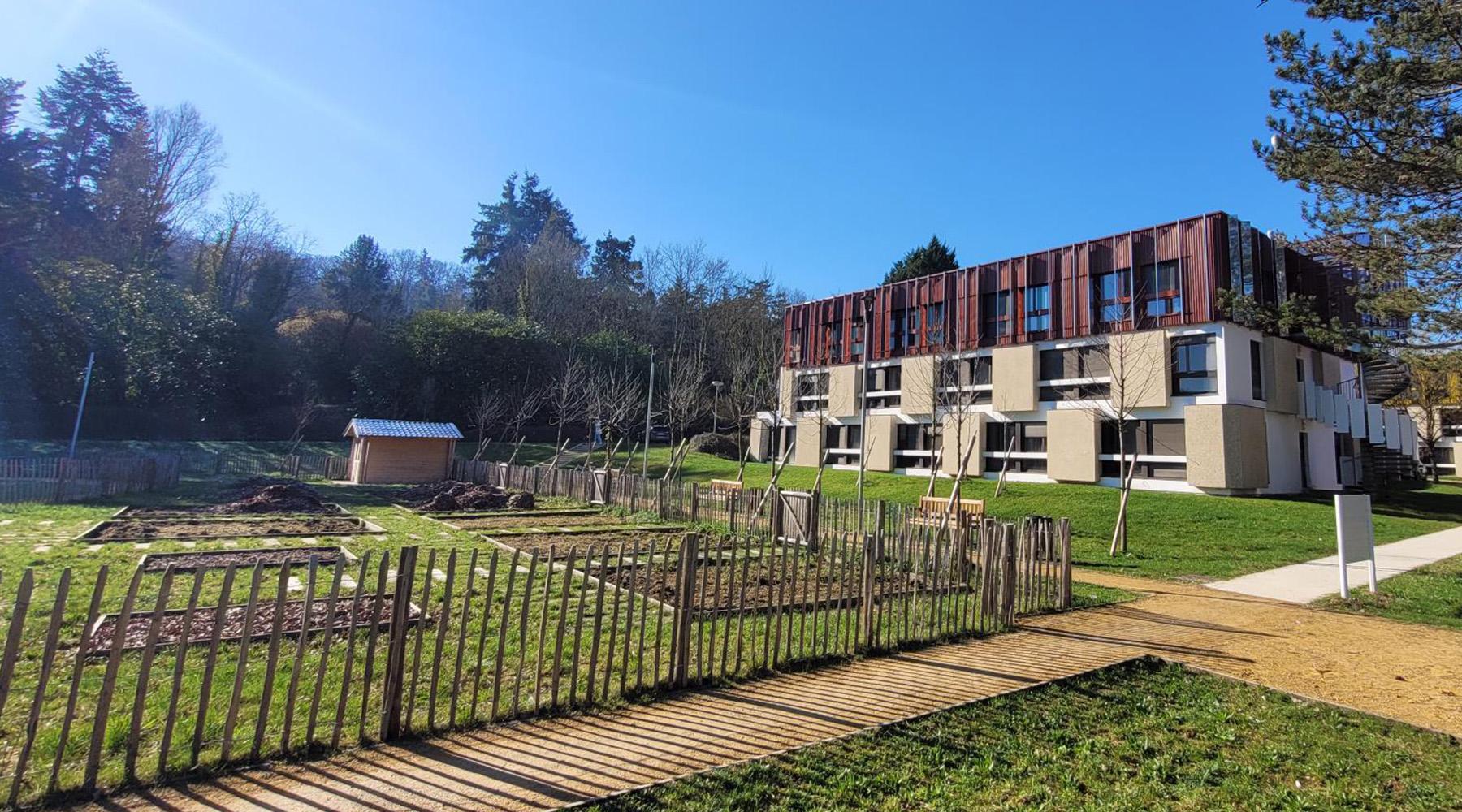
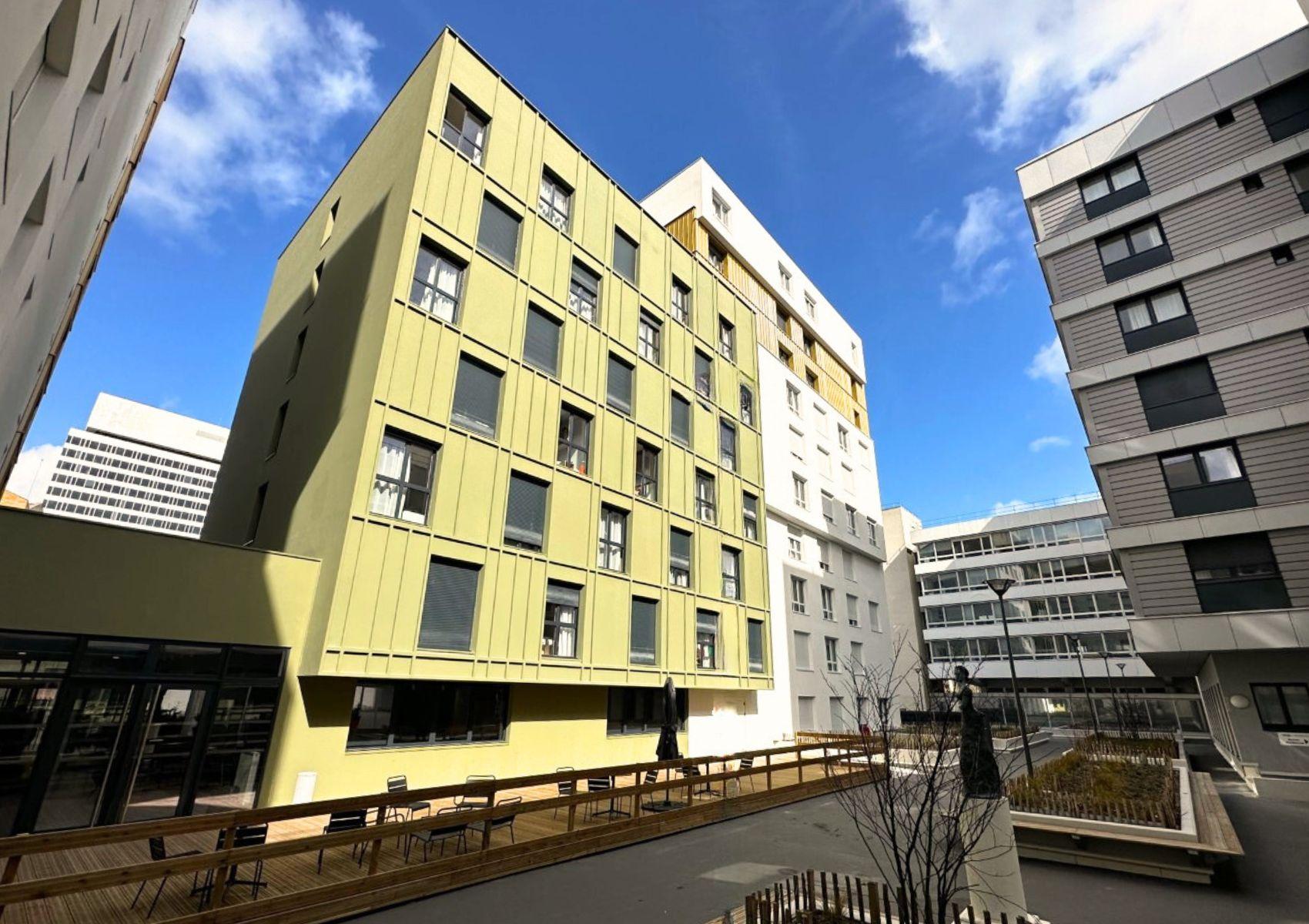
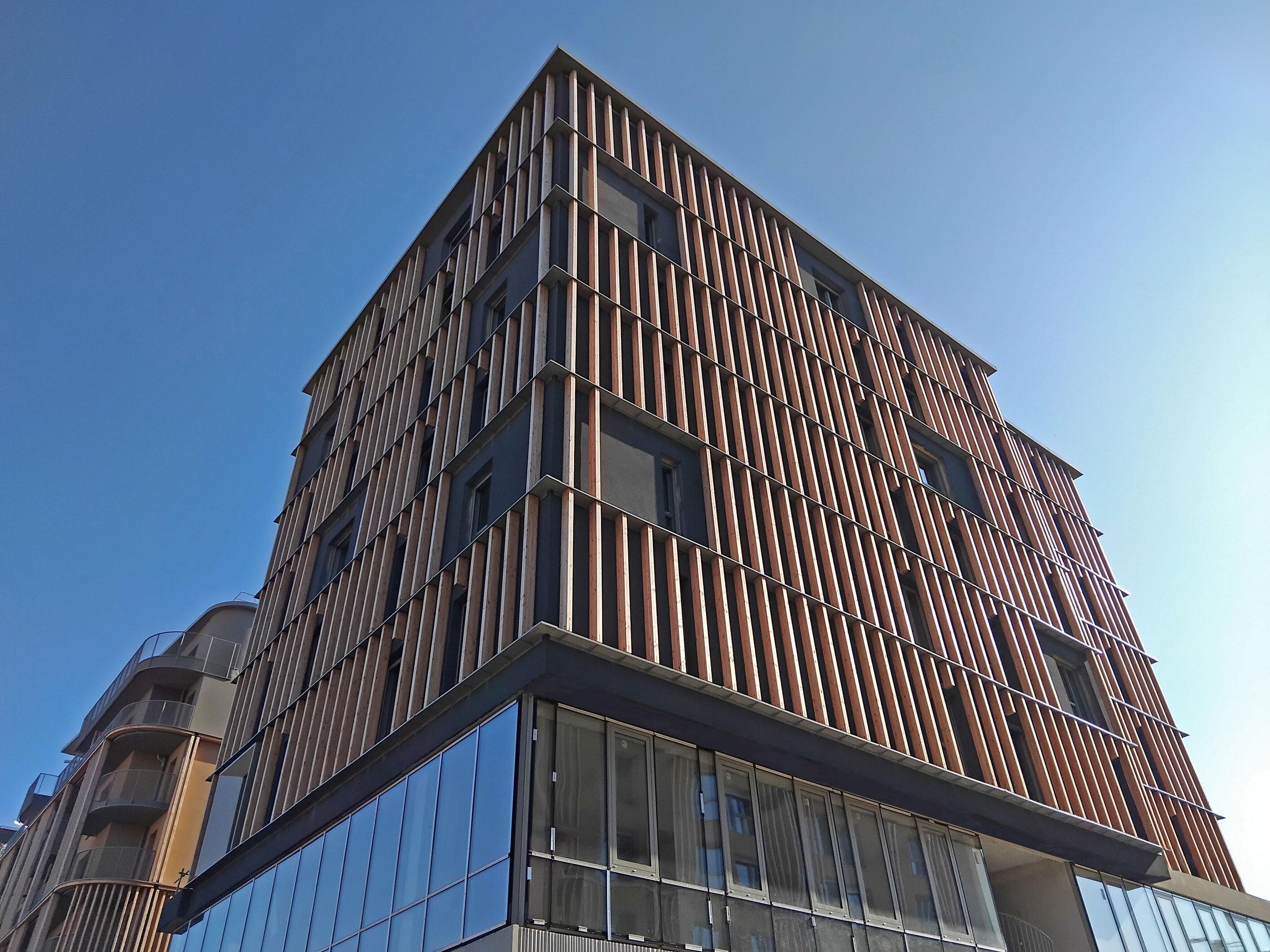
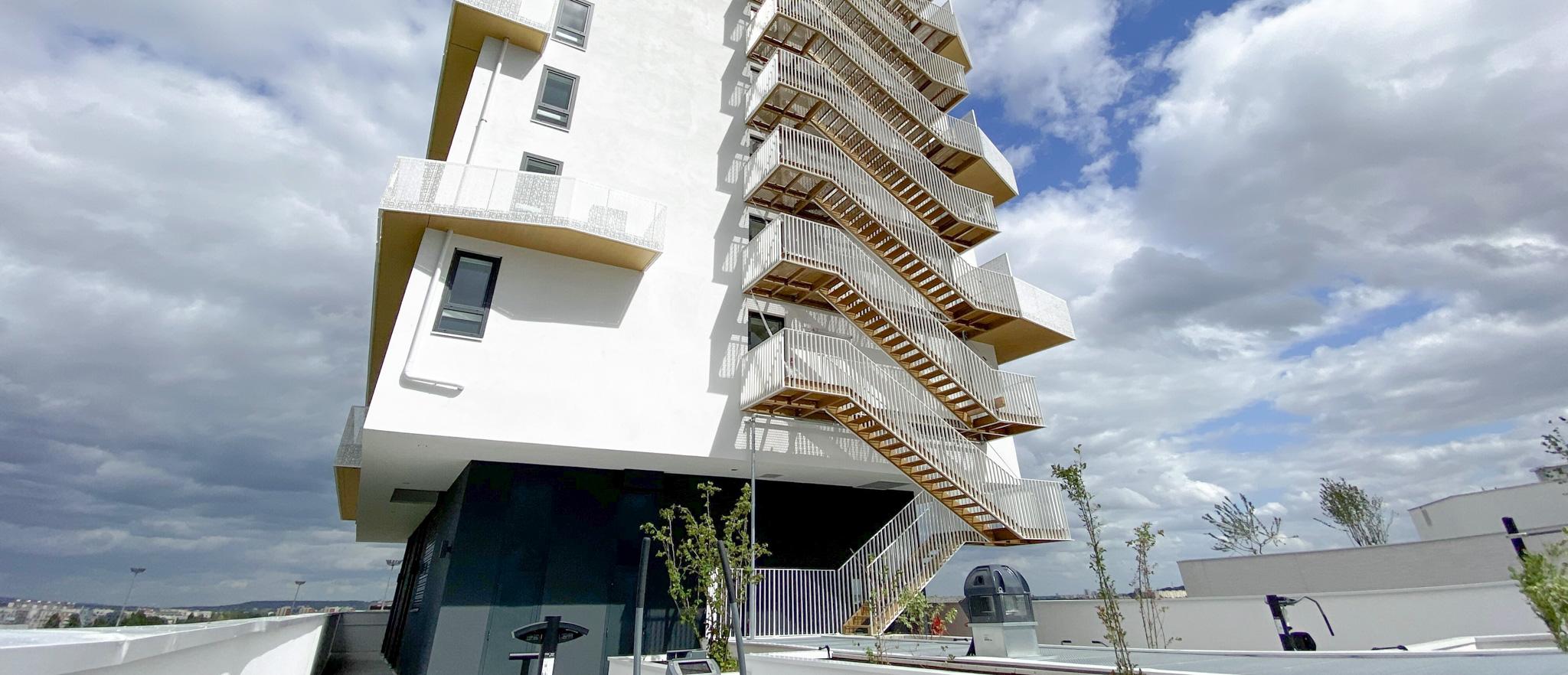
- ✓Prioritize recognized student residences, such as Twenty Campus, or reliable platforms to secure your search.
Faced with extremely high demand, particularly in major university cities like Paris, Lyon, Bordeaux, or Lille, student renters often feel rushed to find accommodation.
Every year, especially during the peak search period between June and September, this urgency creates the perfect environment for fraudsters to exploit the inexperience or pressure felt by students. Understanding student housing scams and knowing how to spot them is essential to securing your search.
The main types of scams in student rentals
Fake Listings
One of the most widespread practices is publishing fictitious advertisements. The DGCCRF (the French Fraud Prevention Bureau) regularly issues warnings about the rise of these traps on peer-to-peer classified sites and social media.
The fraudster offers an attractive student apartment: well-located, spacious, recently renovated, and priced well below the market rate. The goal is to lure in as many candidates as possible. After an initial contact, the scammer often asks for a deposit or a rent advance to “reserve” the property—except the apartment either doesn’t exist or isn’t actually for rent.
The “Ghost” Landlord
Some scammers impersonate landlords, sometimes even stealing photos and text from a legitimate listing. They often claim to be living abroad (for work or medical reasons) to explain why a physical visit is impossible, and they demand a security deposit or first month’s rent remotely. Once the money is sent, the “landlord” disappears.
Unusual Fee Requests
Certain fraudsters claim to represent a real estate agency and demand “application fees,” “viewing fees,” or “insurance fees” before any contract is signed. These payments are illegal when requested before the conclusion of a formal lease.
Remember that by contacting a student residence like Twenty Campus directly, all fees are transparent and regulated by law.
Illegal Subletting
Sometimes, an individual offers a student a place they don’t actually own or have the right to sublet. By paying rent to an illegal sub-lessor, the student ends up in a precarious legal situation: the real owner can demand their departure at any time, with no legal recourse.
Identity Theft Risks
Some fraudsters quickly demand sensitive supporting documents (copy of ID, bank account details, proof of income). The objective is to collect this data for fraudulent use, such as identity theft or taking out consumer loans in the victim’s name.
Substandard or Non-compliant Housing
Beyond pure scams, some students sign a lease for a property that turns out to be in poor condition, dangerous, or failing to meet minimum health and safety standards. In these cases, the deception lies in the deliberate concealment of major defects (dampness, faulty wiring, or a surface area below the legal minimum).
How to spot a potential student rental scam?
A price that’s too good to be true
A spacious apartment in the city center that is modern and very cheap should immediately raise suspicions. Scammers play on the lure of a “great deal” to encourage you to act fast without thinking.
The inability to visit the property
A refusal or “impossibility” to organize a visit before money is transferred is a major red flag. Any legitimate landlord or agency will allow a candidate to see the student housing before committing.
Pressure to pay quickly
Scammers often emphasize urgency: “too many candidates,” “first come, first served,” or “I have to leave the country tomorrow.” This rush is designed to push the victim into sending money without thinking—it is a classic manipulation tactic.
Unusual payment methods
Requests for international wire transfers, cash transfers (Western Union, MoneyGram), prepaid cards, or non-secure platforms are typical of a scam. Rent should be paid via standard bank transfer or check, in the name of the actual owner or the mandated agency.
Be particularly wary if you are asked to buy vouchers at a tobacco shop (Transcash, PCS, Neosurf, or Paysafecard): once the codes are shared, the money is untraceable and gone forever.
Vague or contradictory information
A blurry listing with major spelling mistakes, address inconsistencies, or a foreign phone number should alert you. Likewise, a contact who avoids specific questions or changes their story is suspicious.
Absence of legal documents
In France, the law requires the provision of a written lease and a technical diagnostic file (surface area, energy performance, natural risks, etc.). A refusal to provide these documents is a sign of fraud.
How to avoid or defeat these scams?
Verify the landlord’s identity
It is recommended to ask for a copy of the landlord’s ID and proof of ownership (property tax bill or notary certificate). These documents help confirm that the person is authorized to rent out the property.
Use secure channels
Official websites or recognized platforms (CROUS, student residences, real estate agencies, trusted specialized sites) offer far more guarantees than unverified classified ads. Student forums and mutual aid groups can also provide reliable feedback.
However, the simplest and most reliable solution to rent without any risk remains choosing a professional student residence like Twenty Campus. By choosing our residences, you eliminate 100% of scam risks: our addresses are verified, and our teams are on-site to assist you. You know exactly what you are renting, with no bad surprises upon arrival.
Never pay before signing the lease
The first month’s rent and the security deposit should only be paid at the time the lease is signed, and only through traceable payment methods (bank transfer, check). Cash payments are strongly discouraged.
Protect your personal documents
When submitting your rental application, it is best to send supporting documents only after you have validated the existence of the property and the legitimacy of the landlord. Furthermore, certain sensitive data (like full bank details or IDs) should not be shared without necessity.
According to Article 22-2 of the French law of July 6, 1989, a landlord is strictly prohibited from demanding certain documents, such as a social security card (Carte Vitale), a criminal record extract, a medical file, or a bank account statement showing transaction history.
Know your rights
A student who knows their rights is less vulnerable. For example, no application fees can be demanded before the lease is signed, and the housing must meet minimum “decency” criteria (at least 9 m² of living space, sufficient ceiling height, no safety risks).
Don’t rush
Taking the time to compare multiple offers and asking for advice from family or student associations allows you to step back and thwart potential scams. The best protection remains vigilance and patience.
Don’t take any risks with your future student home.
Discover our available apartments in secure student residences across France today. Enjoy turnkey, furnished, and equipped housing with many included services (breakfast, cleaning, gym, internet…). Book online in just a few clicks, 100% securely, and start your year with peace of mind!